
How are wall paintings different from murals painted on canvas and attached to a wall?
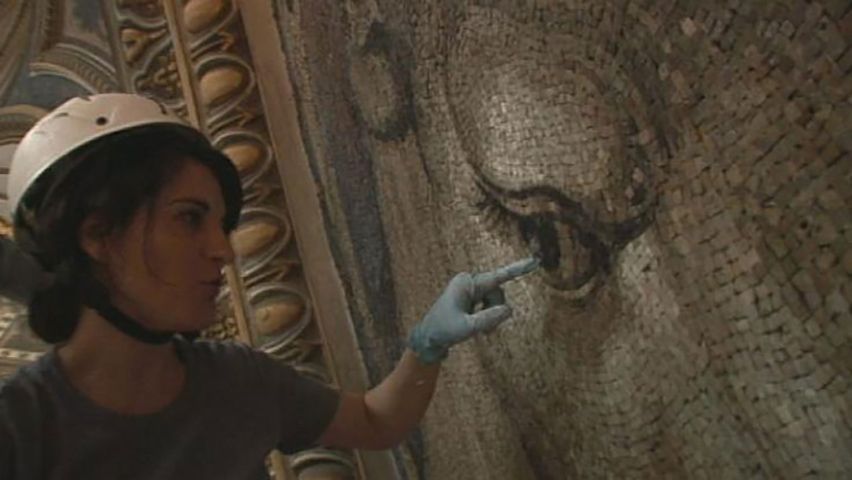
In the field of art conservation and restoration, the distinction between wall paintings and murals on canvas lies primarily in their relationship to the architectural structure.1
Strictly defined, wall paintings are executed directly onto primary architectural supports, such as plaster, concrete, masonry, or stone. Because they are integral to the building, their conservation is inseparable from the maintenance of the surrounding structure. These works are often "site-specific," meaning their meaning and aesthetic value are deeply tied to their original location.1
In contrast, murals that are painted on canvas and then attached to a wall—a technique sometimes referred to as marouflage—are distinct because they are not part of the primary wall support. While these are often categorized broadly as "mural paintings," they function more like easel paintings that have been mounted to a surface. Consequently, their conservation needs are often more closely aligned with the requirements of canvas-based works rather than the complex engineering and environmental challenges associated with preserving integral wall surfaces.12