
Why do dense locust populations form migratory swarms?
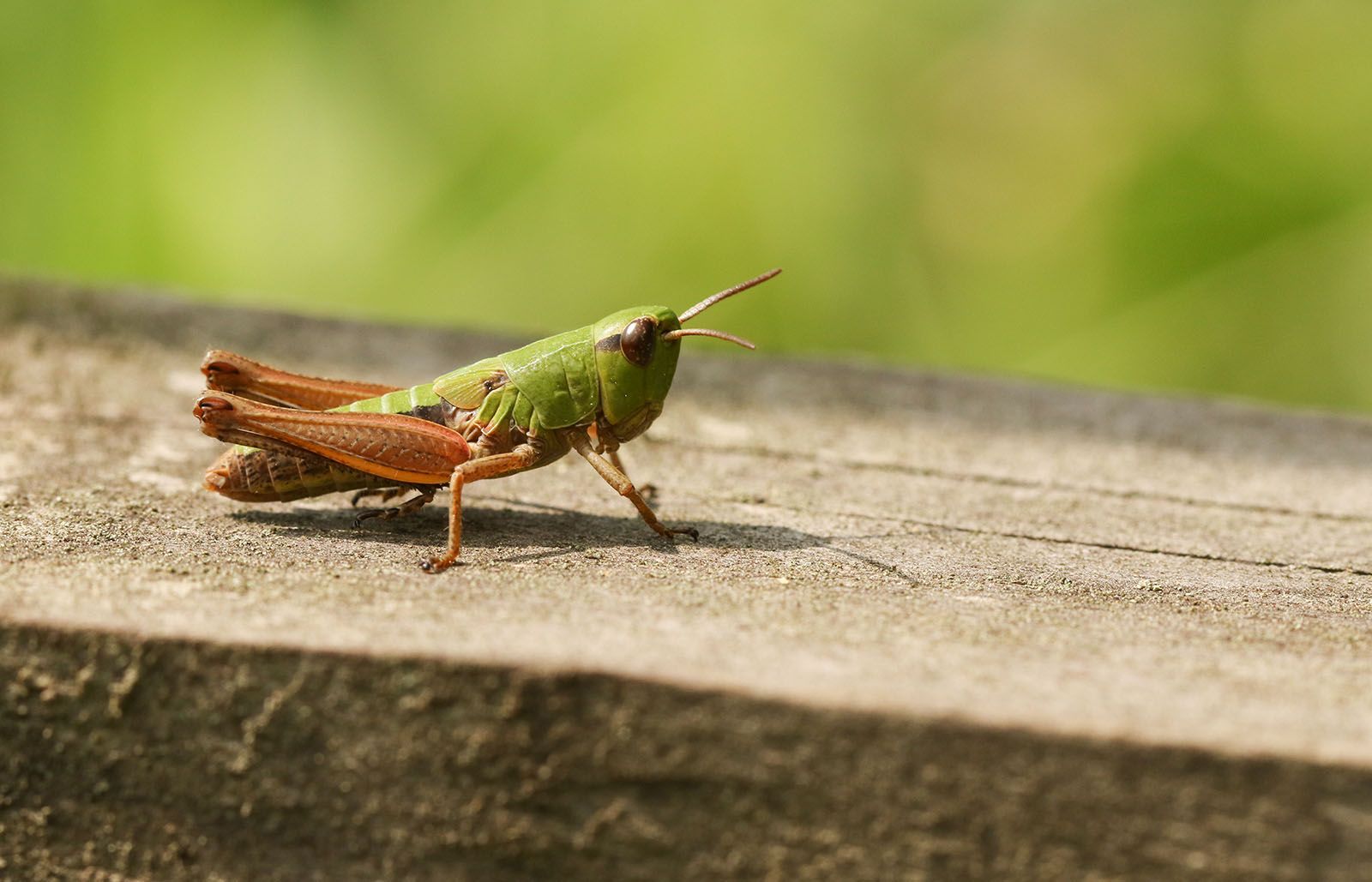
Locusts form migratory swarms as a physiological response to environmental stress rather than as a permanent behavioral trait. Many species exist primarily in a harmless, solitary phase, but their population can increase during favorable seasons.123
When environmental conditions deteriorate—such as during a poor season following a period of growth—these insects are forced into smaller, remaining habitable areas. This crowding triggers a significant physiological and behavioral shift. Exposure to the presence and secretions of other locusts induces hormonal changes that transform solitary individuals into the gregarious phase.12
Gregarious-phase locusts are characterized by increased activity, higher metabolic rates, and a restless, irritable nature. Once this transition occurs, the locusts gather in large groups and fly spontaneously, forming massive, destructive swarms that migrate in search of food. This phase change is a survival mechanism that allows the population to disperse from marginal, resource-scarce regions.213