
Why can Orthoptera populations indicate the health of an ecosystem?
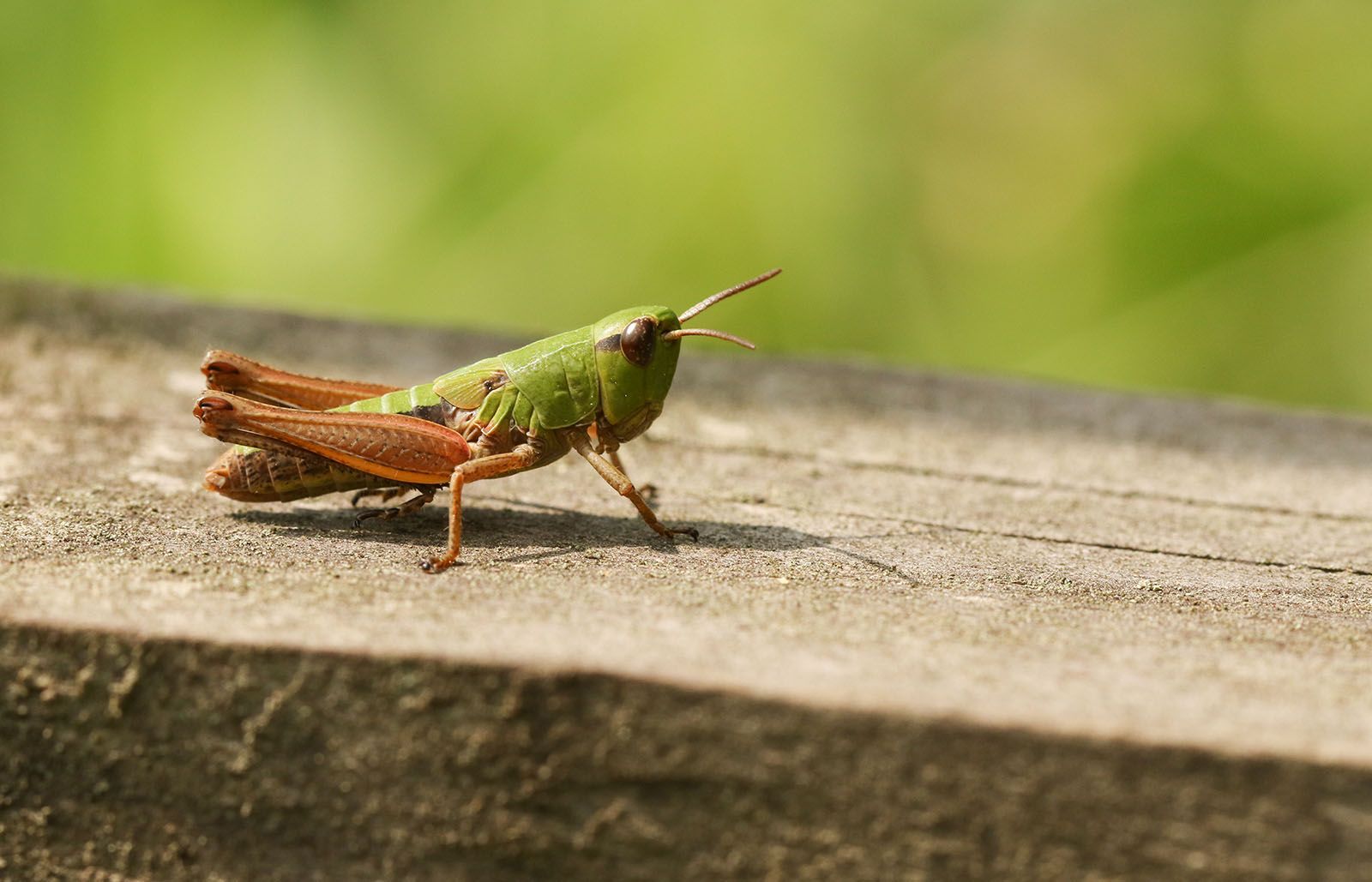
Orthoptera populations serve as vital indicators of ecosystem health because these insects play multifaceted roles in maintaining ecological balance. As primary herbivores, they shape vegetation patterns and contribute to nutrient cycling by consuming plant matter. Furthermore, they are essential components of local food webs, acting as a significant food source for diverse predators, including birds, reptiles, mammals, and spiders.1
Because their presence and abundance are so deeply integrated into these systems, shifts in their populations often reflect broader environmental changes. Unfortunately, many orthopteran groups are currently in decline due to human-driven threats such as global warming, habitat loss, and the widespread application of insecticides. Monitoring these populations allows scientists to assess the stability of the ecosystems they inhabit, as their decline can signal a disruption in the food chain and a loss of critical ecological functions.1