
Britannica
Sources used in this answer
Which features distinguish chelicerates from crustaceans?
Created from Britannica articles
using AI.
AI can make mistakes, so verify using Britannica articles.
horseshoe crab
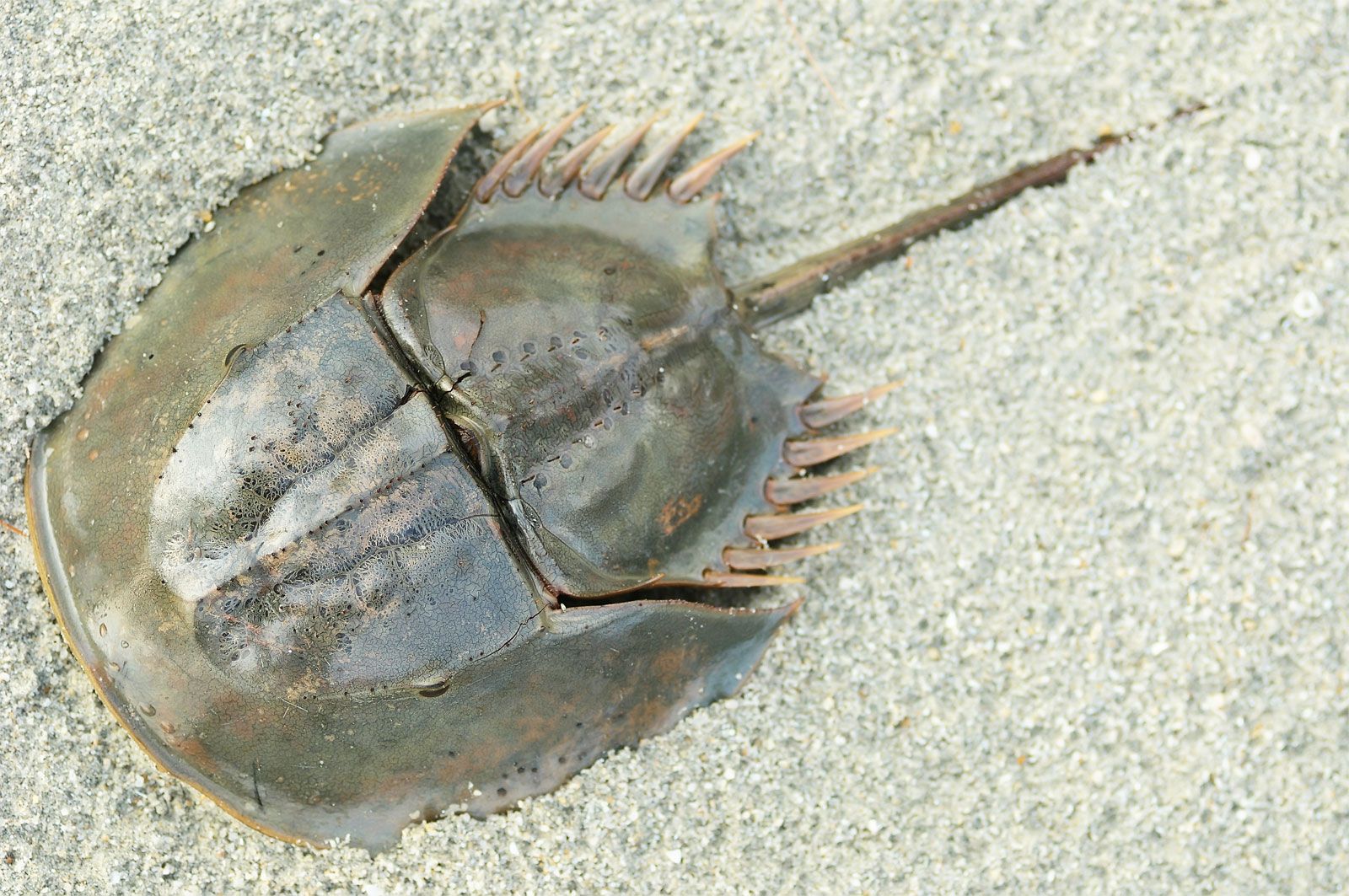
Horseshoe crab (Limulus polyphemus).
Chelicerates and crustaceans are both members of the phylum Arthropoda, but they are distinguished by several fundamental anatomical differences:
- Appendages and Mouthparts: The most defining feature of Chelicerata is the absence of antennae. Their first pair of appendages is modified into chelicerae, which are used for feeding. In contrast, crustaceans possess two pairs of antennae, followed by mandibles and two pairs of maxillae.12
- Body Segmentation: Chelicerates typically have their bodies divided into two regions: the prosoma (cephalothorax) and the opisthosoma (abdomen). Crustaceans also have a head, thorax, and abdomen, but their head and thorax are often fused into a cephalothorax covered by a carapace.13
- Prosomal Appendages: In most chelicerates, the prosoma bears the chelicerae, a pair of pedipalps, and four pairs of walking legs. Crustacean appendages are highly diverse and typically biramous (two-branched), though they can vary significantly by group and function.14
While some chelicerates, such as horseshoe crabs, use toothed projections at the base of their legs to process food, these are not considered true jaws, unlike the mandibles found in crustaceans.5