
Britannica
Sources used in this answer
What are the stages of an orthopteran life cycle?
Created from Britannica articles
using AI.
AI can make mistakes, so verify using Britannica articles.
Orthoptera
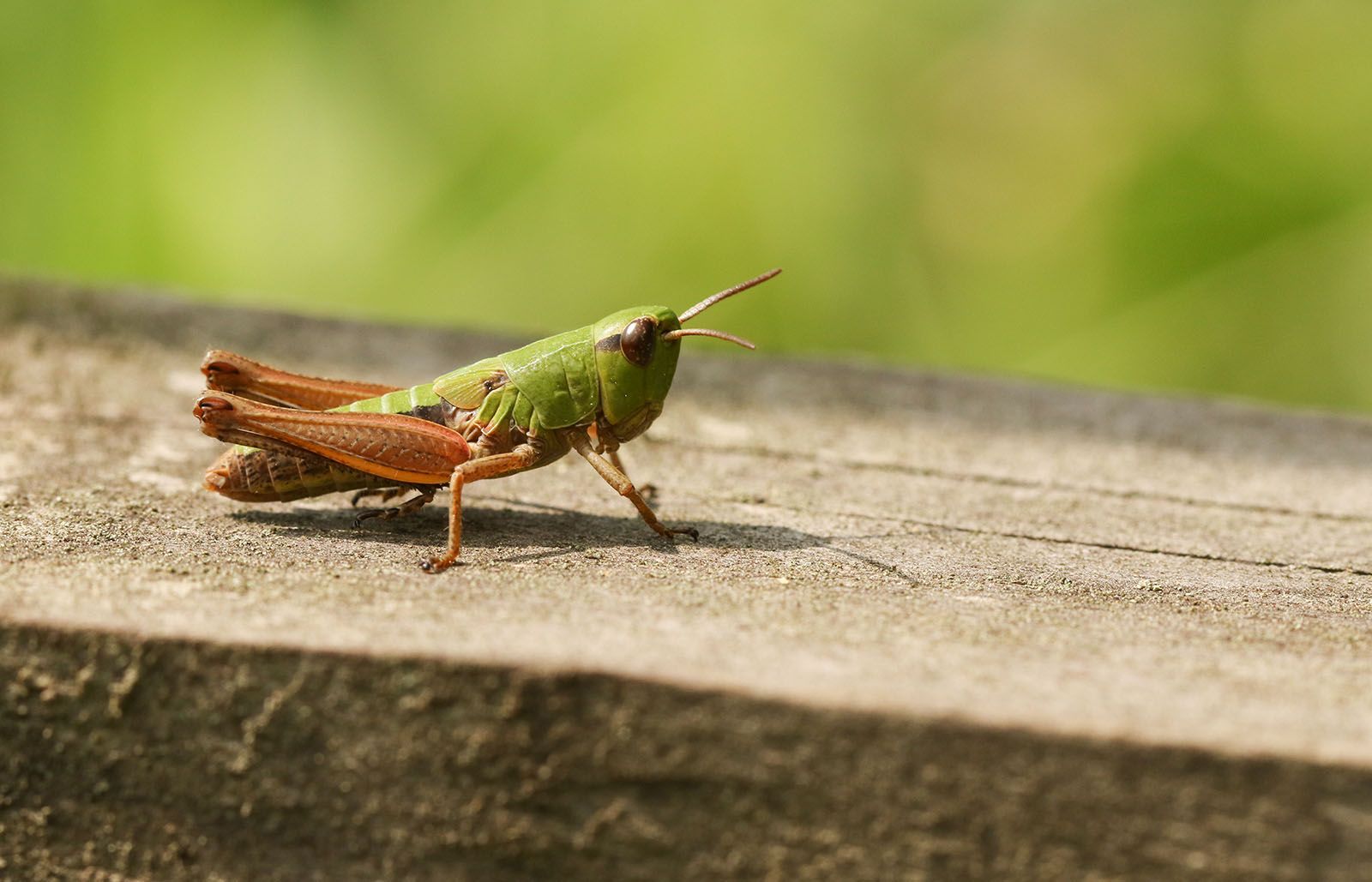
A colorful meadow grasshopper (Chorthippus parallelus) on a wooden fence.
Orthopterans are hemimetabolous insects, meaning they undergo simple or incomplete metamorphosis. Their life cycle consists of three primary stages: egg, nymph, and adult.1
- Egg: Eggs are typically deposited on the ground or on vegetation. In some species, the egg stage may last for one or more years depending on environmental conditions.12
- Nymph: Upon hatching, many orthopterans emerge as a vermiform larva, an active embryo enclosed in a thin membrane. After an intermediate molt, they become nymphs, which resemble smaller, wingless versions of the adult. Nymphs undergo a series of molts—typically between 4 and 13—to reach maturity.1
- Adult: The final molt marks the transition to adulthood, characterized by the development of wings and reproductive organs.13
Unlike holometabolous insects, orthopterans do not have a pupal or resting stage.1