
Britannica
Sources used in this answer
How quickly can the LAL test detect bacterial contamination?
Created from Britannica articles
using AI.
AI can make mistakes, so verify using Britannica articles.
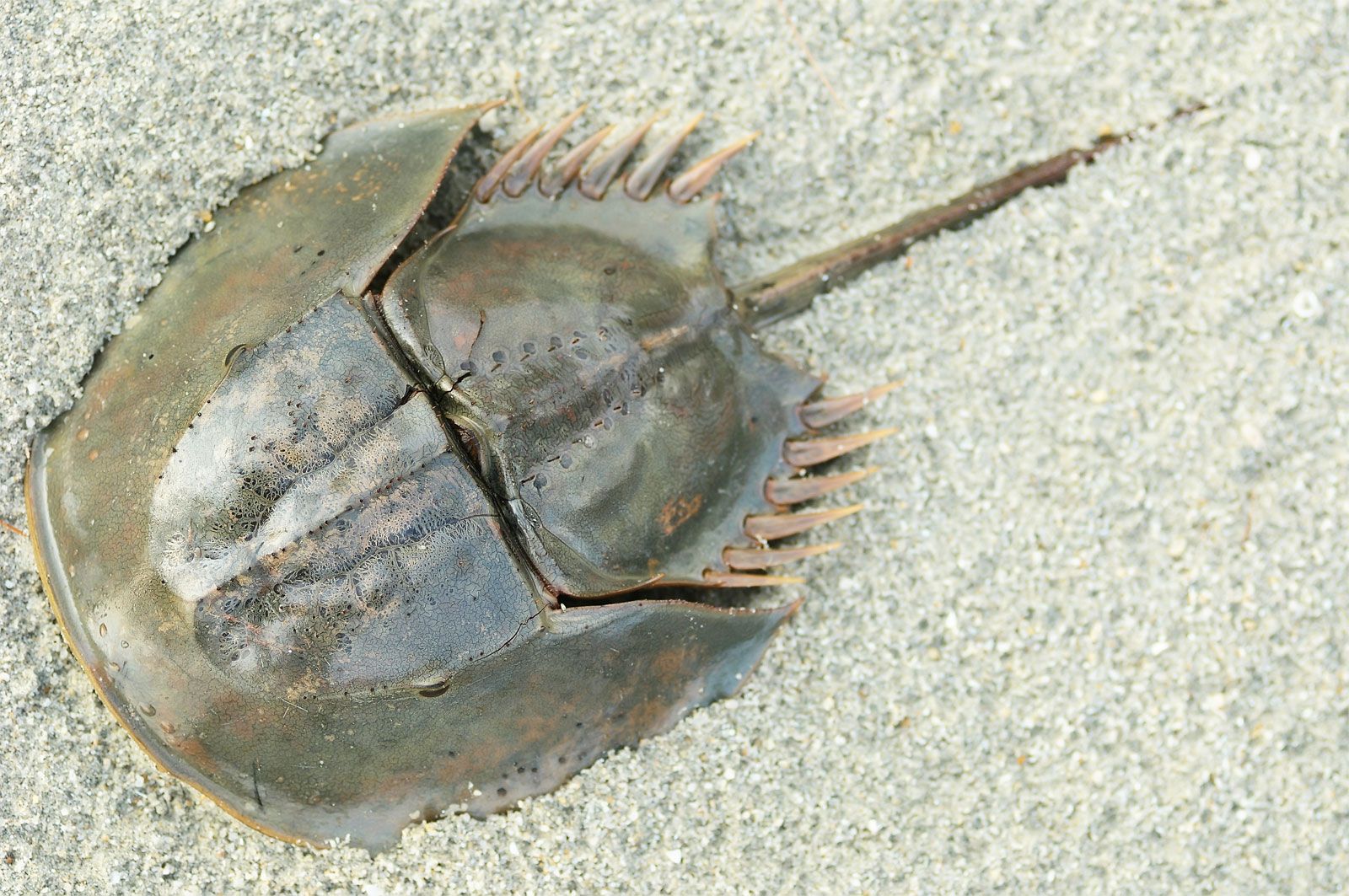
horseshoe crab
Horseshoe crab (Limulus polyphemus).
The Limulus amoebocyte lysate (LAL) test is a highly efficient method for detecting bacterial contamination. When medical instruments, containers, or injectable fluids come into contact with LAL, the coagulogen present in the blood of the horseshoe crab reacts with endotoxin—a toxic substance found in the cell walls of gram-negative bacteria—to form a visible gel clot.1
Compared to other diagnostic methods, the LAL test is remarkably fast, providing results within approximately 45 minutes. This rapid detection is critical for ensuring the safety of intravenous solutions and medical devices, as it can identify contamination at concentrations as low as one part per trillion.1