
Britannica
Sources used in this answer
How does the ovipositor help female Orthoptera lay eggs?
Created from Britannica articles
using AI.
AI can make mistakes, so verify using Britannica articles.
Orthoptera
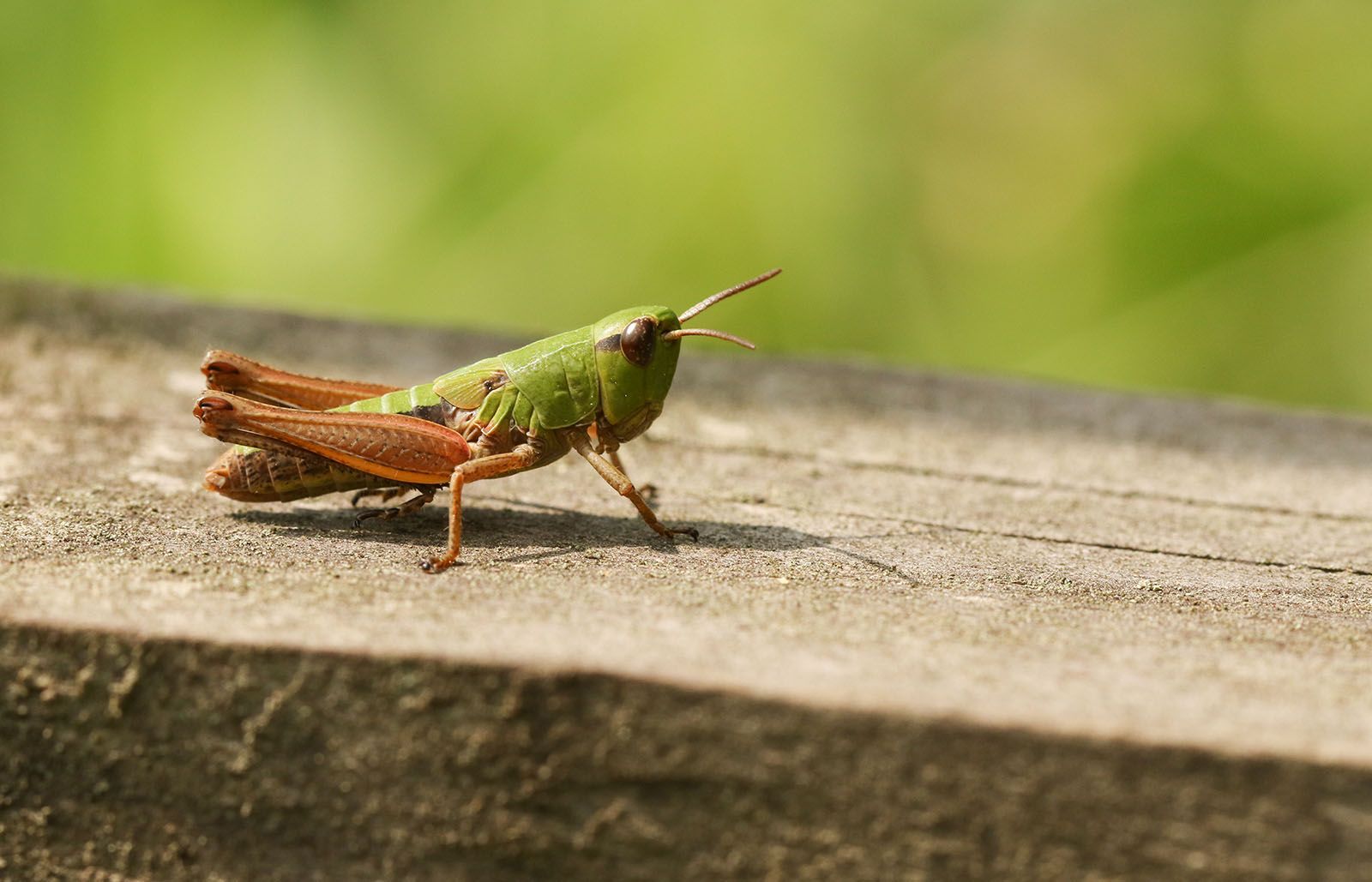
A colorful meadow grasshopper (Chorthippus parallelus) on a wooden fence.
In female Orthoptera, the ovipositor is a specialized structure composed of paired appendages known as ovipositor valves. This organ is essential for placing eggs in specific environments, such as soil or plant tissues, to ensure their protection and development.12
The mechanism of egg-laying varies by species:
- Digging and Insertion: Females use the valves of the ovipositor to manipulate and penetrate substrates. For instance, grasshoppers extend their abdomens and rotate the valves to drill holes in soil, where they deposit eggs in a protective, mucilaginous egg pod.2
- Plant Placement: Crickets and katydids use their ovipositors to insert eggs directly into plant material. This includes placing them in rows within stems, forcing them between the layers of leaves, or arranging them along twigs.2
The ovipositor serves as a critical anatomical tool for reproduction, with its form and function being significant features used in the classification of various orthopteran families.3