
Britannica
Sources used in this answer
How do the walking legs of horseshoe crabs help them eat?
Created from Britannica articles
using AI.
AI can make mistakes, so verify using Britannica articles.
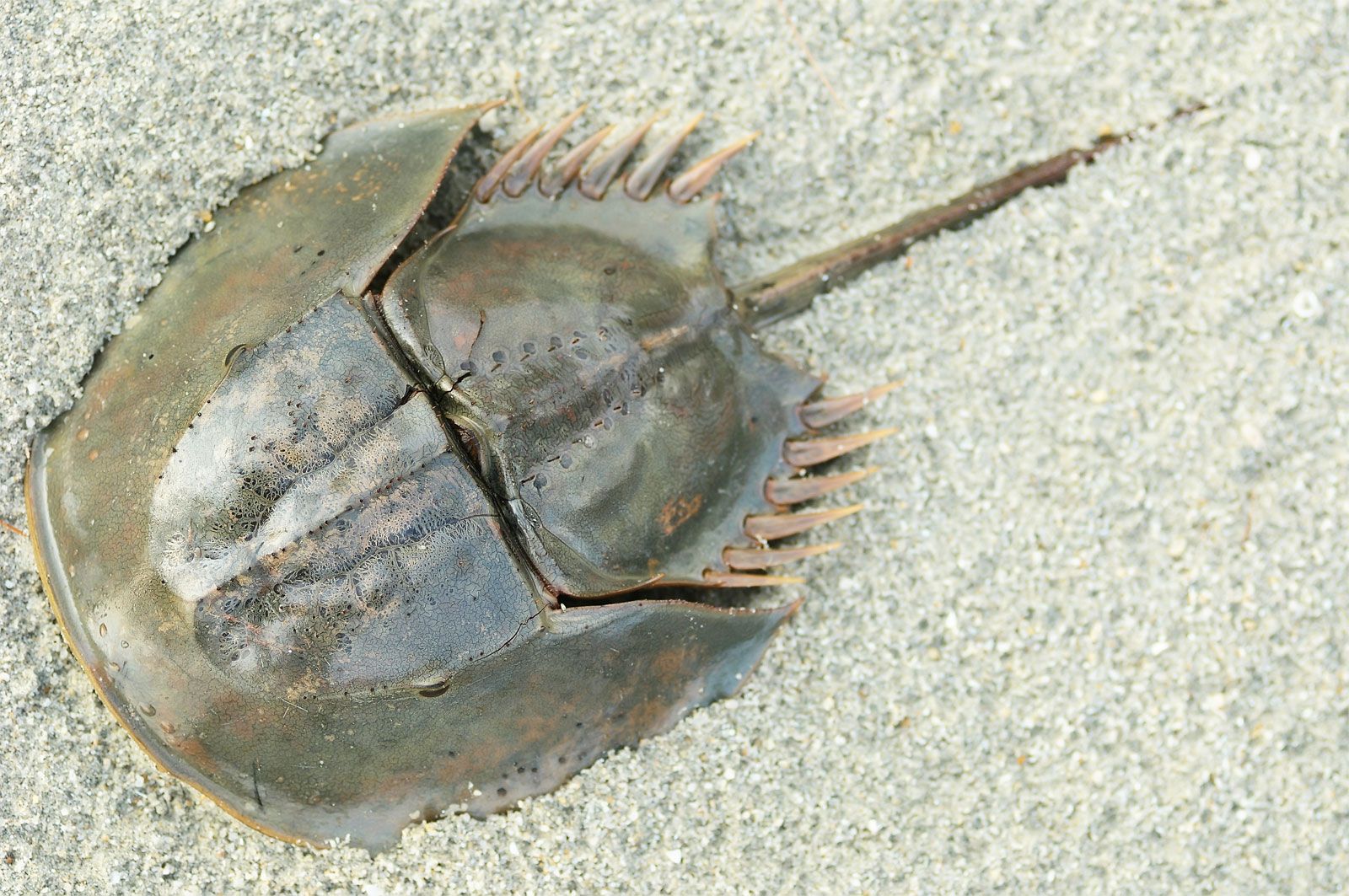
horseshoe crab
Horseshoe crab (Limulus polyphemus).
Horseshoe crabs utilize their walking legs to assist in the feeding process through specialized structures located at the base of the limbs. While the first pair of appendages, known as chelicerae, are used exclusively to seize prey, the next five pairs of legs serve both for locomotion and for eating.1
These legs feature spiny, toothed projections called gnathobases at their bases. As the animal moves, these projections tear the food and roll it into the mouth. Although these structures function in a manner similar to jaws by handling and processing food, they are not considered true jaws. Once the food is ingested, further physical breakdown occurs in the gizzard before digestion continues in the stomach-intestine.12