
Britannica
Sources used in this answer
How do horseshoe crab larvae change as they grow?
Created from Britannica articles
using AI.
AI can make mistakes, so verify using Britannica articles.
horseshoe crab
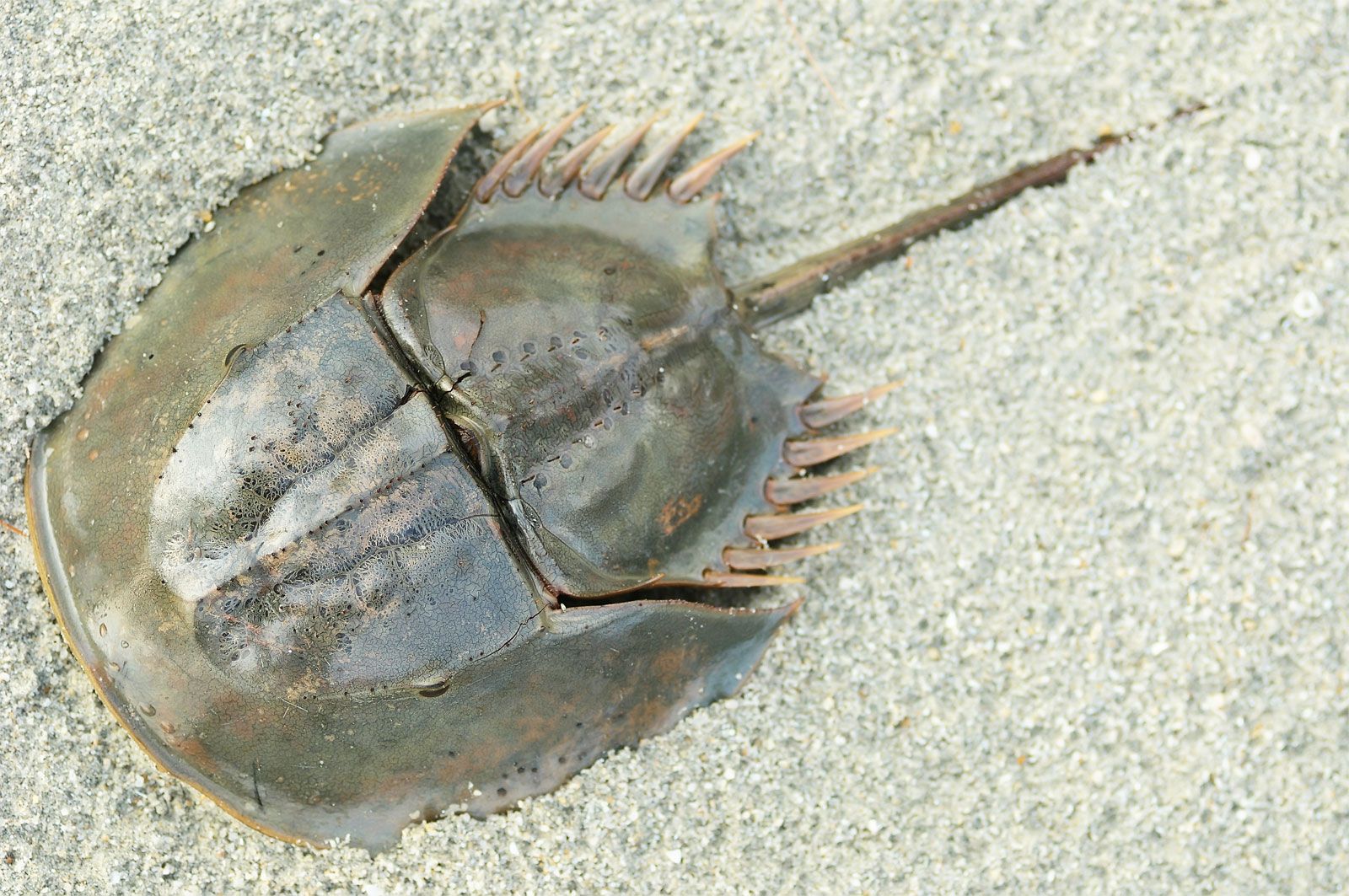
Horseshoe crab (Limulus polyphemus).
Horseshoe crab larvae undergo a series of developmental stages characterized by molting, a process where they shed their exoskeleton to accommodate growth.12
The progression of these stages is as follows:
- First larval stage: Upon hatching, the larvae are approximately 5 mm (0.2 inch) long. At this point, they lack a telson (tail-spine) and survive on a store of yolk.1
- Second larval stage: Individuals develop a short telson, gain the ability to swim for short periods, and begin feeding on small organisms. During this phase, some larvae may disperse, while others remain near beaches in mud flat sediments.1
- Third larval stage: At this stage, the larvae begin to resemble miniature adults.1
Between each stage, the larvae molt by splitting the cuticle around the margin of the cephalothorax. This process results in an immediate increase in length of about 25 percent. Horseshoe crabs continue this cycle until they reach sexual maturity, which typically occurs after approximately 16 molts over 9 to 12 years.1