
How do grasshopper egg pods develop into young grasshoppers?
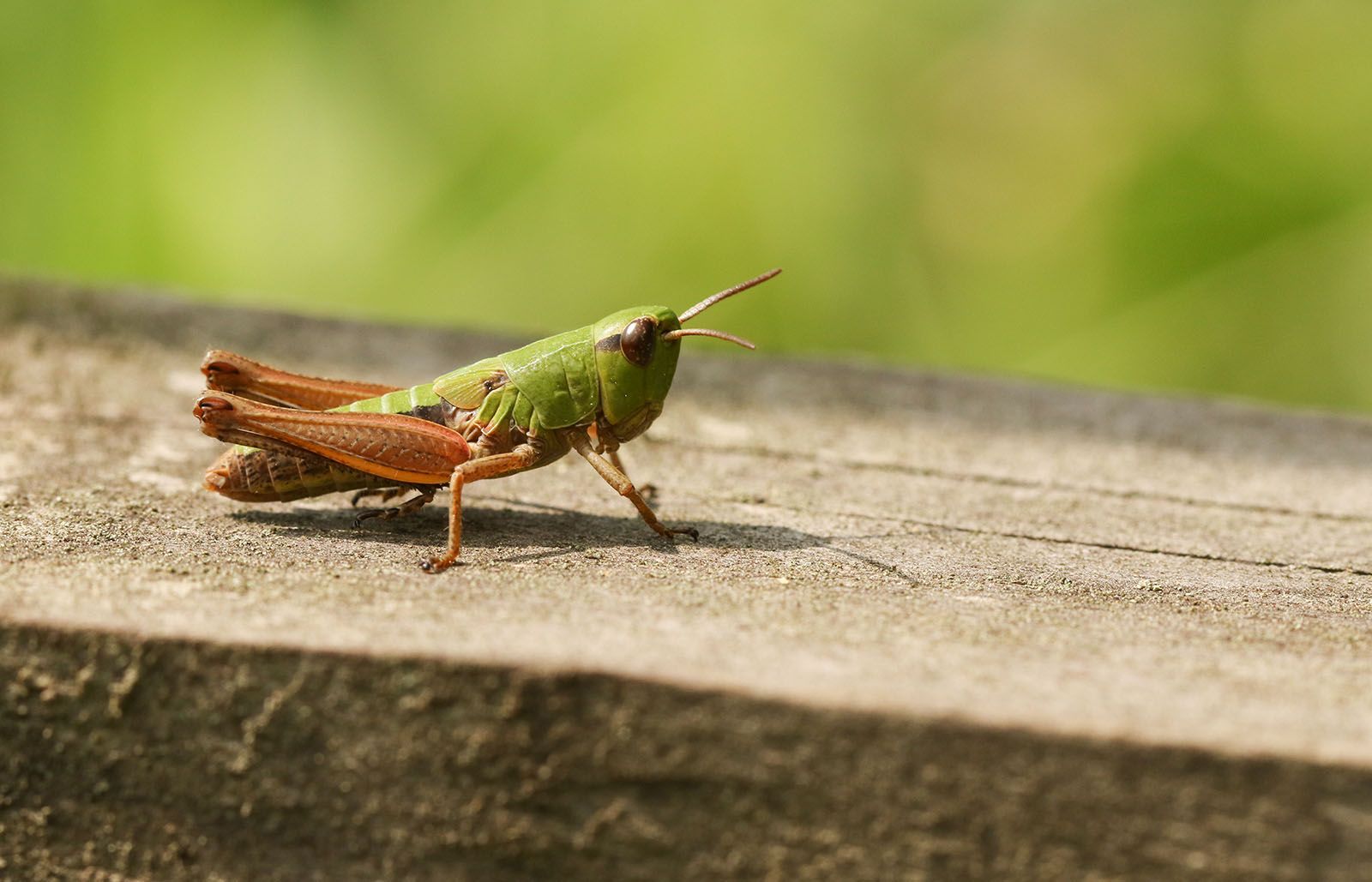
Grasshoppers undergo hemimetabolous development, a process of incomplete metamorphosis that proceeds through three stages: egg, nymph, and adult.12
When a grasshopper hatches from an egg pod, it does not immediately emerge as a fully formed nymph. Instead, it initially appears as an active embryo enclosed in a thin membrane, a stage known as a vermiform larva. As this creature wriggles from the egg pod, it undergoes an intermediate molt, shedding the enclosing membrane. The shapeless skins left behind during this process are known as exuviae.1
Following this intermediate molt, the insect enters the nymphal stage. Nymphs resemble miniature adults but lack fully developed wings and reproductive organs. Over the course of 4 to 9 nymphal stages (instars), the grasshopper molts repeatedly, gradually developing its wings and body proportions until it reaches adulthood. Unlike holometabolous insects, grasshoppers do not pass through a pupal or resting stage.12