
Britannica
Sources used in this answer
How do book gills help horseshoe crabs breathe?
Created from Britannica articles
using AI.
AI can make mistakes, so verify using Britannica articles.
horseshoe crab
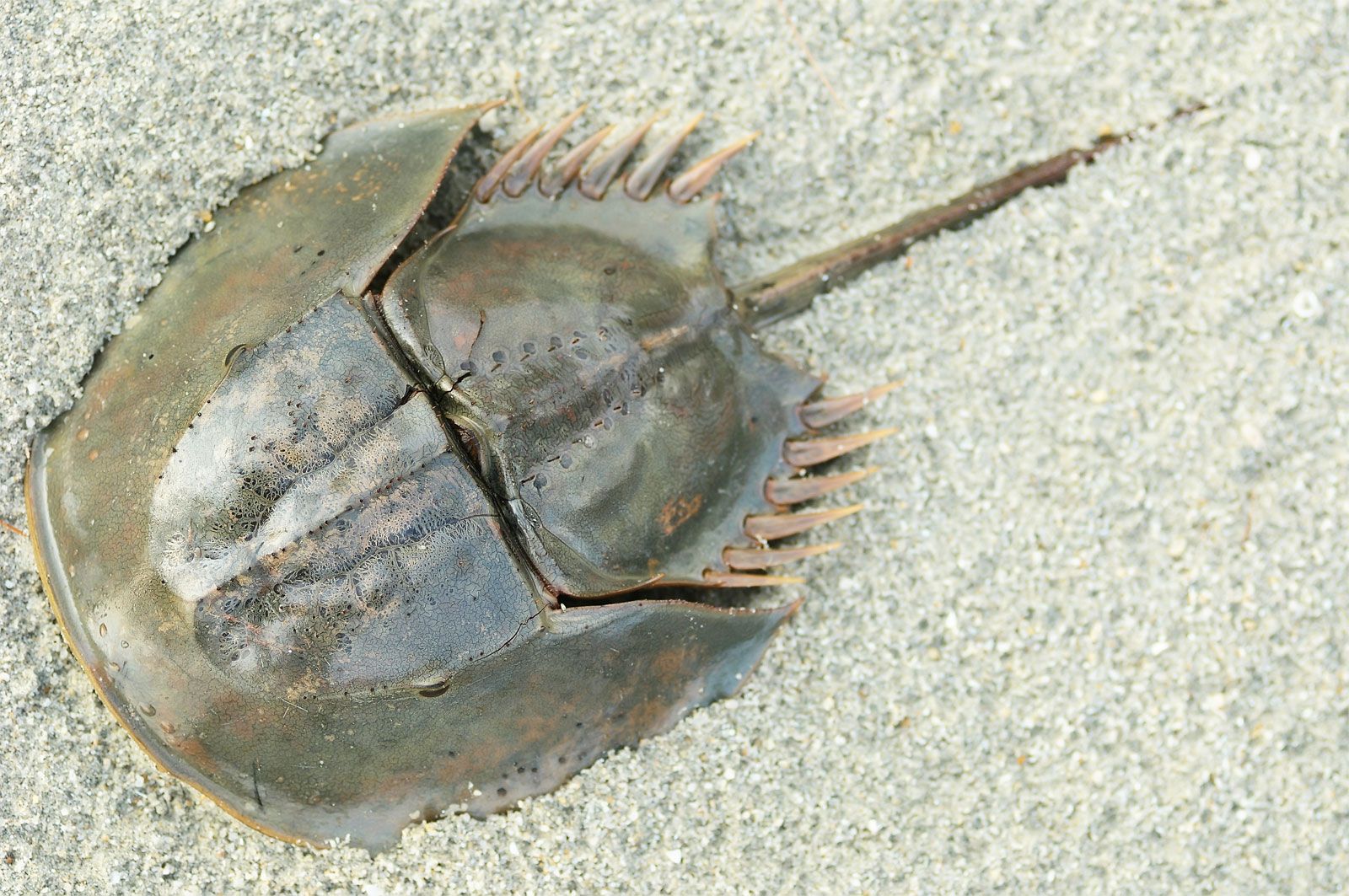
Horseshoe crab (Limulus polyphemus).
Horseshoe crabs, which are chelicerates, utilize specialized respiratory organs known as book gills to breathe in their aquatic environments.1
These gills are outgrowths of the animal's integument, or skin, and are covered by a thin layer of exoskeleton that allows for the efficient exchange of gases. Structurally, book gills consist of numerous membranous folds arranged in a series, resembling the pages of a book. This design provides a large surface area that facilitates the absorption of oxygen from the surrounding water. As the horseshoe crab moves or uses its appendages, water flows over these thin, blood-filled plates, enabling the necessary gas exchange to support the animal's metabolism.123