
How do Orthoptera obtain water in dry habitats?
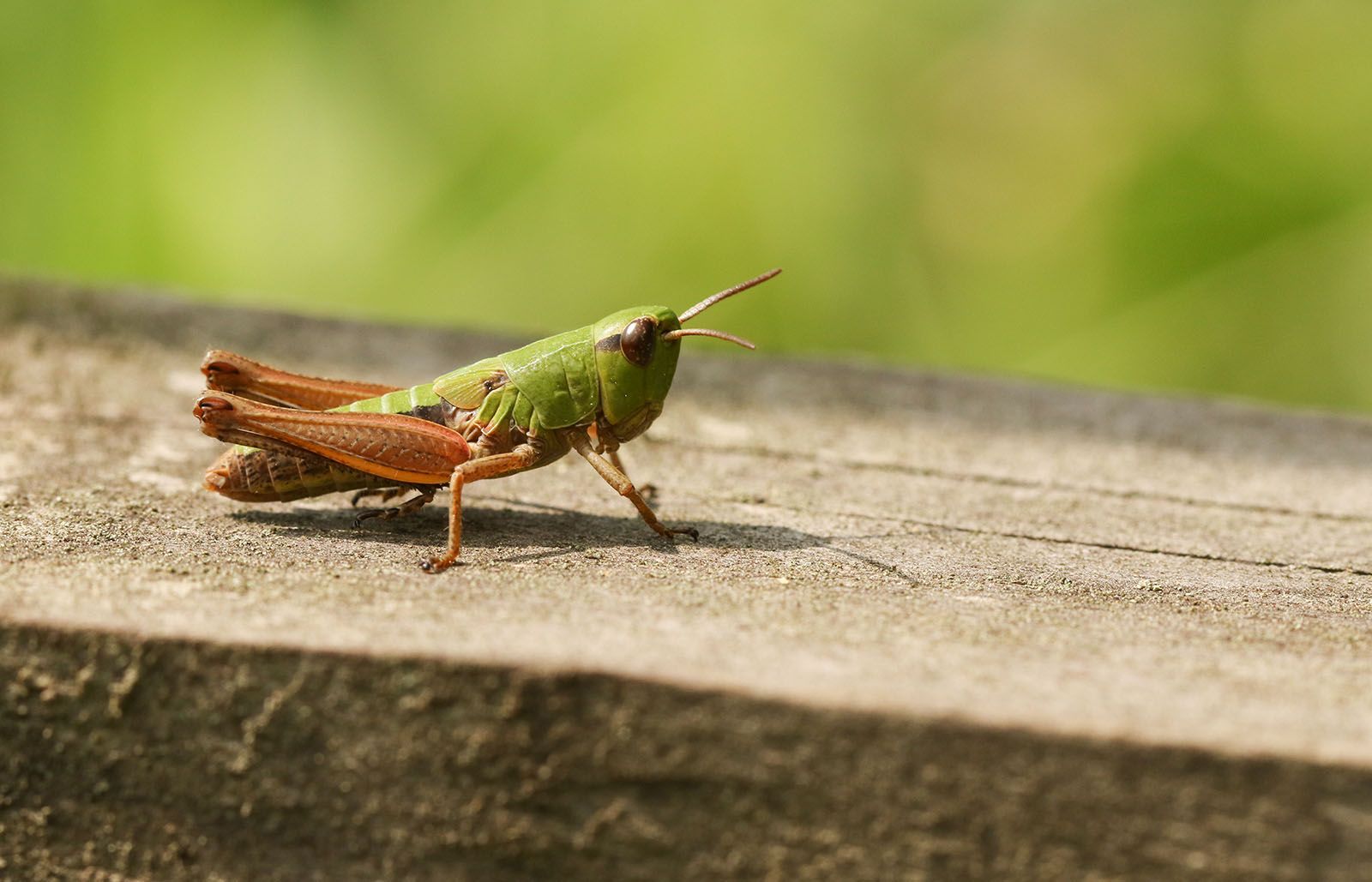
Orthopterans living in dry habitats employ specific physiological and behavioral adaptations to manage their water requirements. Because moisture needs vary significantly across the order Orthoptera, these insects utilize different methods to obtain and conserve water depending on their environment.1
In dry conditions, some orthopterans can absorb water directly from a drop on their cuticle (skin). Others are capable of obtaining necessary moisture from water vapor in the air, provided the relative humidity is sufficiently high.1
To survive in arid environments, these insects also focus on minimizing water loss. Many insects, including those in dry habitats, possess specialized structures in the rectum that function in the reabsorption of water and ions, often reducing their waste to dry fecal pellets before discharge. Furthermore, some insects utilize a cryptonephridial system—where the malpighian tubules are bound to the rectal surface—to significantly increase their capacity for reabsorbing water and salts from their digestive waste.2