
How can horseshoe crab declines affect American red knot populations?
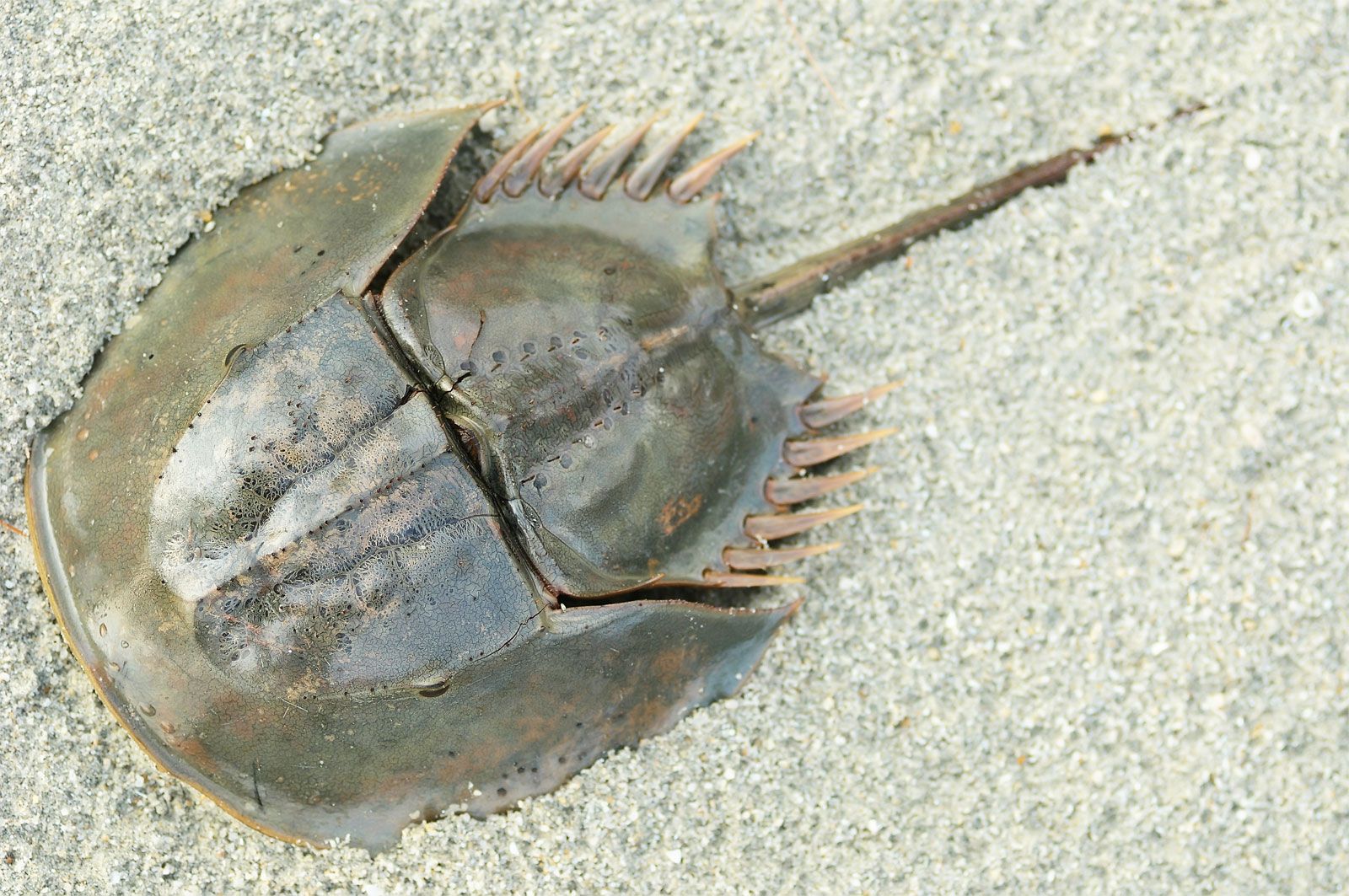
The American red knot (Calidris canutus rufa) relies heavily on the eggs of the horseshoe crab as a critical food source during its long-distance migration from South America to the Arctic. Because these birds forage almost exclusively for these eggs to fuel their journey, their survival is directly linked to the availability of horseshoe crab spawning sites.1
When horseshoe crab populations decline—often due to overfishing for bait or habitat loss from coastal development—fewer eggs are laid and fertilized on spawning beaches. This reduction in food supply has historically contributed to a significant crash in American red knot populations, which plummeted from approximately 100,000 birds in 1989 to fewer than 15,000 by 2008. Consequently, the recovery and protection of horseshoe crab populations are essential for the conservation of the American red knot, as the birds' ability to successfully reach their breeding grounds and maintain their population numbers depends on finding sufficient clutches of eggs during their stopovers.1